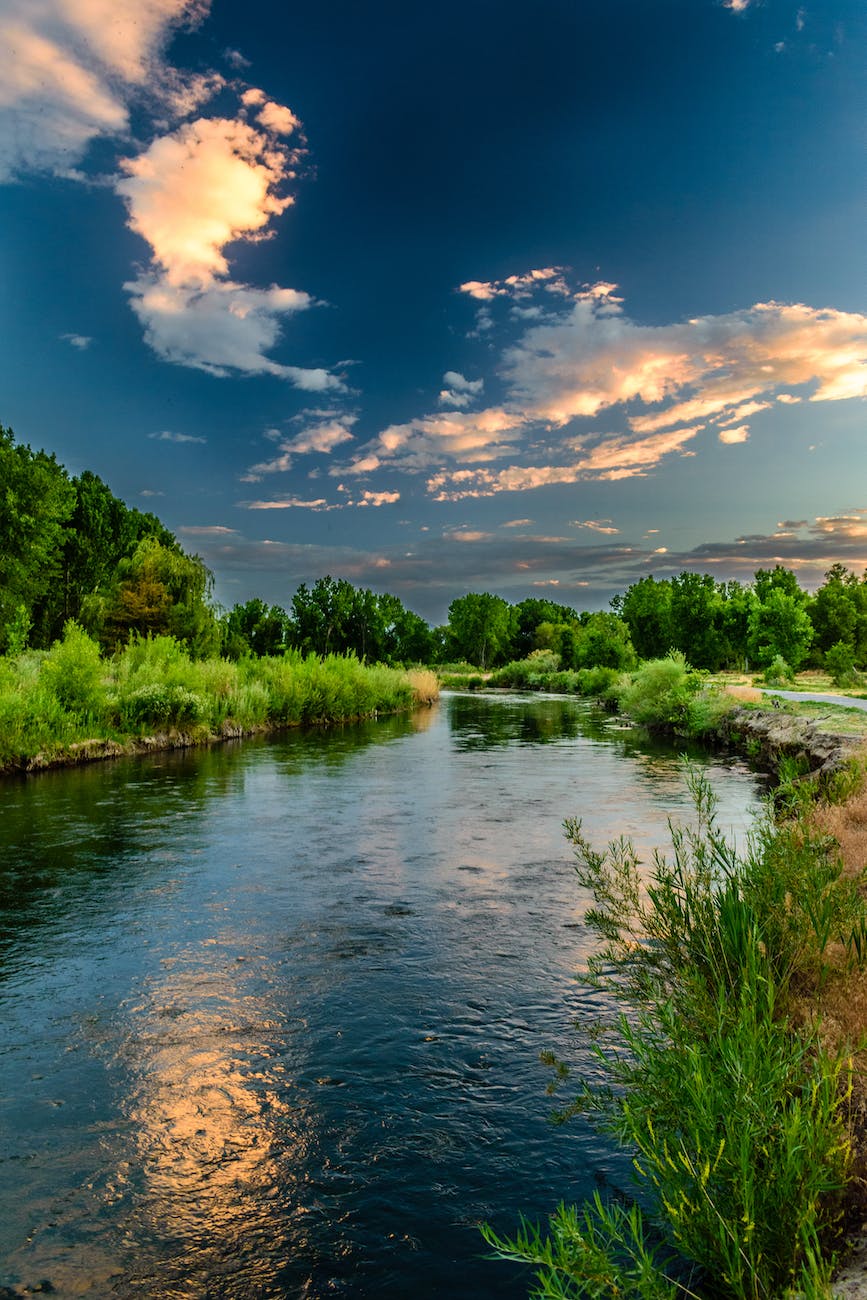
Just two and a half weeks ago, I drove to Prince George for my son’s lacrosse tournament. We passed through the Cariboo—Clinton, Williams Lake, 150 Mile House—and returned via the Fraser Canyon. The landscape stayed with me: layered greens everywhere. Deep pine shadows, fresh roadside growth, and aspen leaves flashing silver in the wind. The air was cool and damp, rich with wet earth and resin, and the forests felt ancient, as though they had been breathing long before us.
Today, that memory feels surreal.
Those places are burning.
The crisp green air has turned to smoke that stings the eyes and clings to the throat. The sky has collapsed into a muted orange haze, the sun reduced to a dull ember behind it. It’s difficult to reconcile the two images: the living landscape I drove through weeks ago and this scorched, suffocating version. Hard to believe it is the same land, the same trees, the same winding roads.
Now, sitting at Christina Lake—a place I’ve returned to for over 20 years, watching my nieces and nephews grow alongside my son—the contrast follows me. The water is still, but the air is heavy, almost pressurized. Smoke drifts across the surface in slow, ghostlike bands, erasing the far shore. The familiar scent of pine is gone, replaced by something sharp, burnt, and dry. Even the wind seems unsettled, as if it has lost its way. Today, though, the smoke has cleared and the air is crisp again after rain.
The more I deepen my relationship with the natural world, the more I understand that the Earth isn’t just where we live—it is our first home. Somewhere in my own ancestry, I come from people who lived in close relationship with land, as Indigenous peoples here still do. All of us carry that lineage: ancestors who once knew soil, water, and season intimately. For many, that memory has been buried by displacement and colonial history, but the connection remains beneath the surface. We belong to the Earth long before we belong anywhere else.
Maybe this moment is asking us not only to acknowledge climate change, but to remember that relationship. When we feel connected to the land—when we can still sense its breath, its texture, its fragility—protection is no longer an obligation.
It becomes care.
It becomes home.
 shandacollins.ca
Leave a comment